
Arizona Home Insurance That's Actually Built for Arizona
Your home faces risks that a generic policy wasn't written to handle — and an agent tied to one carrier can't shop around to fix that.
What Most Homeowners Don't Know About Their Policy
Most home insurance policies are set up once and never revisited. Meanwhile, home values in Chandler, Gilbert, and Queen Creek have climbed significantly — and if your coverage limits haven't kept pace, you're carrying more risk than you realize.
There's also the question of how your policy pays when something goes wrong. Replacement cost coverage pays what it actually costs to rebuild or replace. Actual cash value pays what the item is worth today, after depreciation. That difference can mean tens of thousands of dollars on a claim — and most homeowners don't know which one they have until they need it.
We review your existing policy before we recommend anything. Coverage limits, replacement cost vs. ACV, endorsement gaps — we go through it so you're not finding out what's missing after a loss.
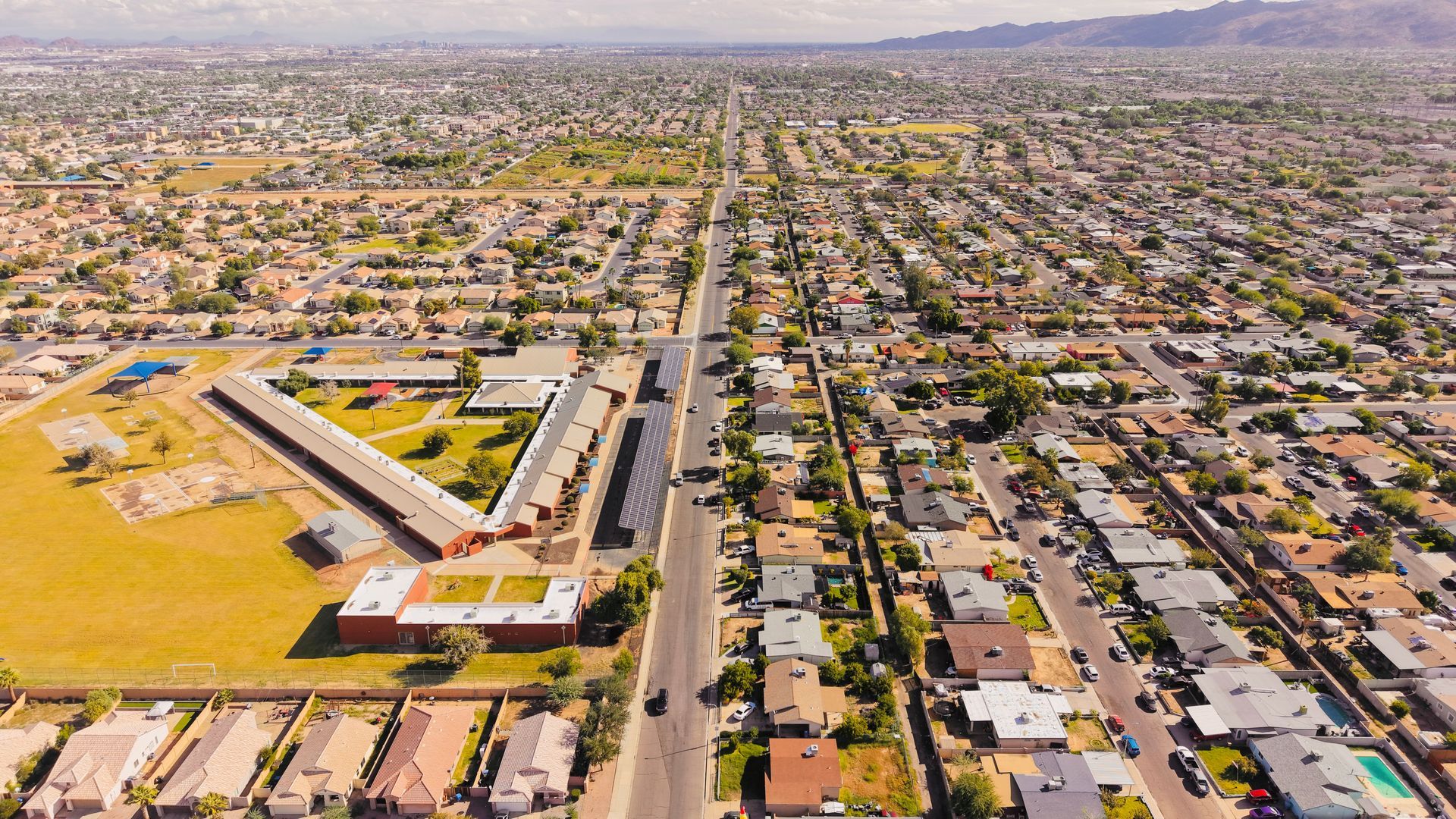
Arizona Homes Face Risks That Generic Policies Miss
A national carrier's standard policy isn't written with your address in mind. In the East Valley, that gap matters.
- Monsoon season: Wind and hail damage from summer storm systems is one of the most common Arizona home claims — and coverage terms vary significantly by carrier and policy form.
- Haboob damage: Dust storm damage to HVAC systems, windows, and exterior finishes isn't always covered under a standard policy without the right endorsements.
- Extreme heat: Prolonged heat exposure accelerates wear on roofing materials, HVAC units, and structural components in ways that affect both claims eligibility and premiums.
- Wildfire proximity: Properties in Queen Creek and Southeast Valley areas near open desert carry wildfire exposure that some carriers have quietly tightened underwriting on.
Because we work with multiple carriers, we can match your home's actual risk profile to the policy form and carrier that handles it best — not just the one option a captive agent can offer.
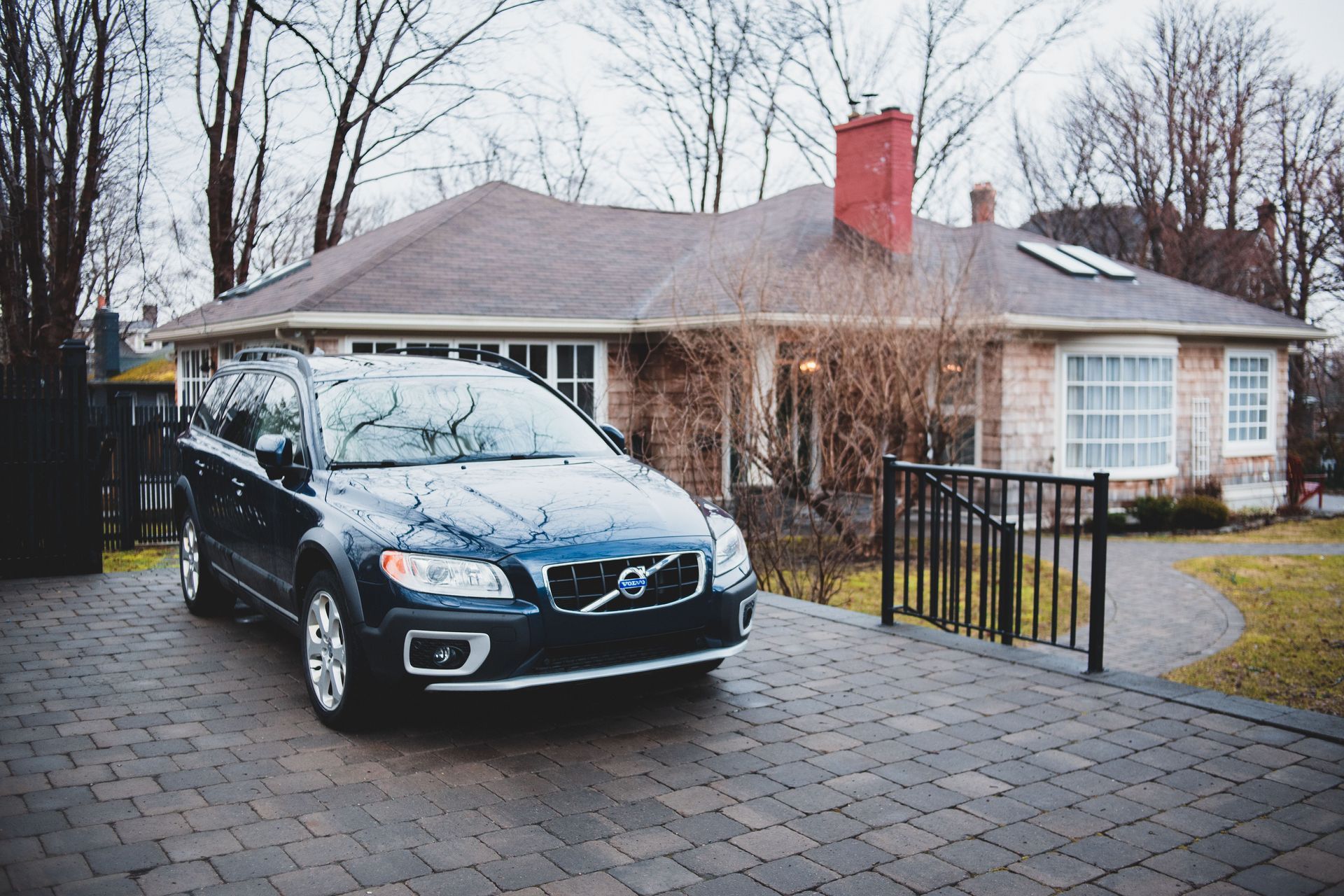
One Conversation Can Cover Both Your Home and Your Car
Home and auto bundling typically saves Arizona homeowners anywhere from 5% to 25% depending on the carrier and your risk profile. But not every bundle is actually the best deal — sometimes splitting the lines across two carriers produces better pricing or better coverage than forcing both onto one.
We run the numbers both ways before you decide. You'll see exactly what bundling saves, and whether it makes sense for your situation.
Why East Valley Homeowners Work with an Independent Agent
Captive agents — State Farm, Allstate, Farmers — can only quote you their one carrier. If it's not a great fit for your home, your risk profile, or your budget, they don't have another option to offer.
As an independent home insurance agency, we shop across multiple carriers on your behalf. That means you get a real comparison, not a take-it-or-leave-it number. And because we're local to the East Valley, we know the neighborhoods, the risks, and the carriers that perform well in this market.
Common Questions About Home Insurance in Arizona
How do I know if I have enough coverage after my home's value went up?
Your dwelling coverage limit should reflect what it would cost to rebuild your home today — not what you paid for it or what it would sell for. Construction costs in Arizona have risen sharply, and many homeowners are underinsured without realizing it. We review your current limits against current rebuild costs and flag any gaps before they become a problem.
Does standard home insurance cover monsoon or hail damage in Arizona?
Most standard homeowners policies cover wind and hail damage, but the specifics — deductibles, coverage sublimits, and exclusions — vary by carrier and policy form. Some carriers have added separate wind or hail deductibles in Arizona markets. We review the policy language, not just the premium, so you know what you're actually covered for.
What's the difference between replacement cost and actual cash value?
Replacement cost pays what it costs to repair or replace damaged property at today's prices. Actual cash value deducts for depreciation, so older roofing, appliances, or personal property pays out at a fraction of what replacement actually costs. Replacement cost coverage typically costs more upfront but protects you significantly better at claim time.
Is it worth bundling home and auto insurance?
Often yes — but not always. Bundling can save 5–25% depending on the carrier and your profile. In some cases, splitting the lines across two carriers produces better pricing or coverage than a single-carrier bundle. We compare both scenarios so you can make the call with real numbers in front of you.
Can you review my current home insurance policy even if I'm not ready to switch?
Yes. A policy review is a straightforward conversation — we look at your current coverage, identify any gaps or mismatches, and give you an honest read on whether your policy is doing its job. If it is, we'll tell you. If it isn't, we'll show you what a better-fit option looks like.